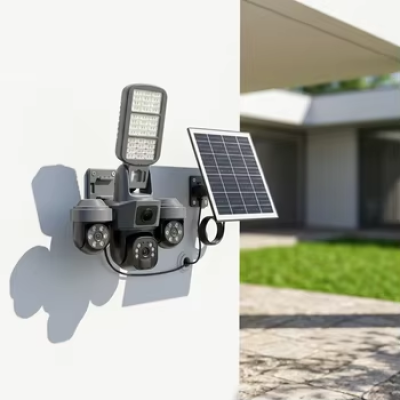
2026 Global Surveillance Camera Industry Update: New Standards, AI Upgrades & Compliance Trends
2026 Global Surveillance Camera Industry Update: New Standards, AI Upgrades & Compliance Trends

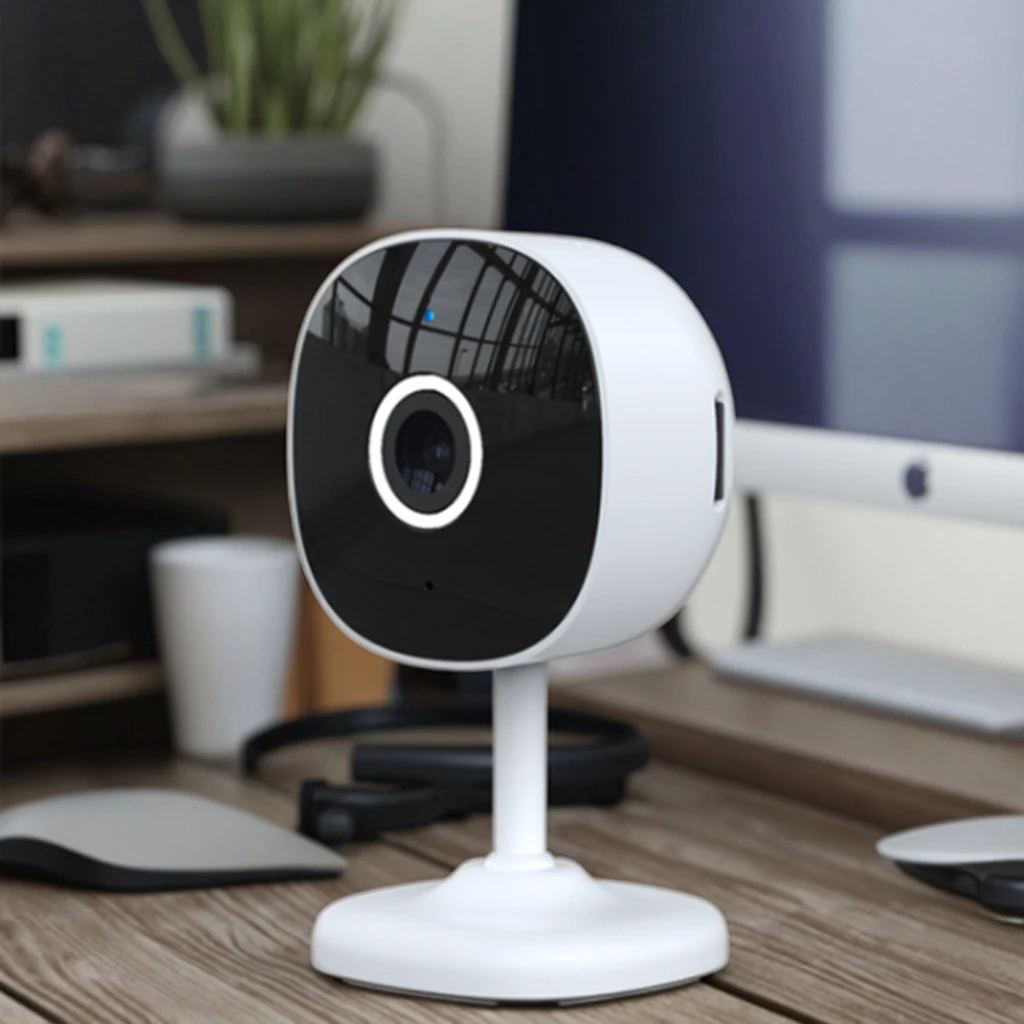
The global surveillance camera industry is undergoing a landmark transformation in 2026, driven by updated international certification standards, upgraded domestic compliance regulations, and the large-scale commercial implementation of edge AI technology. From mandatory safety specifications to intelligent hardware iteration, the entire security surveillance sector is ushering in a new round of industrial upgrading and market reshuffling, bringing new development opportunities for global manufacturers, system integrators, and end-users.
New Global Standard Boosts 8K Edge Camera Interoperability
In April 2026, the International Electrotechnical Commission (IEC) officially released the updated standard IEC 62676-5:2026, the world’s first unified specification for 8K edge intelligent surveillance cameras. The new standard mandates that all qualified 8K surveillance devices must support ONVIF Core+Profile T protocol, covering core capabilities such as AI metadata real-time streaming, precise timestamp synchronization, and cross-platform device interoperability.

This international regulation has eliminated the long-standing compatibility barriers between different brands of high-definition surveillance equipment. It effectively improves the stability of large-scale smart city monitoring systems, industrial visual monitoring platforms, and cross-regional security projects. For global surveillance manufacturers, compliance with IEC 62676-5:2026 has become a core threshold for entering high-end overseas markets, further standardizing the global 8K intelligent surveillance equipment supply chain.
Chinese Industrial Standards Trigger Full Intelligent Upgrade
2026–2027 marks a critical window for the intensive implementation of China’s surveillance industry mandatory standards, completely changing the traditional operation mode of the security industry.

The new national standard GB 20815-2026, scheduled for official implementation on September 1, 2027, has rewritten the industry’s access rules. For the first time, it incorporates AI intelligent video analysis, data anti-tampering, network security encryption, and cloud-storage coordinated backup into mandatory inspection items. After the standard takes effect, non-compliant traditional surveillance cameras will be banned from bidding for government projects, municipal infrastructure, and state-owned enterprise procurement projects, triggering a nationwide stock device replacement wave.
In addition, multiple industry-specific regulatory standards have been successively launched and implemented in 2026. The HJ 1480—2026 Technical Requirements for Self-Monitoring Video Surveillance Systems of Pollutant Discharging Units officially came into force on October 1, 2026, requiring environmental monitoring cameras to follow the GB/T 28181-2022 transmission specification, with strict requirements for border security protection and anti-hacking transmission. The AQ4101—2026 safety monitoring standard also clarifies mandatory layout and early warning specifications for industrial and retail surveillance equipment, upgrading video monitoring from auxiliary management tools to legal evidence and safety supervision core facilities.
Hierarchical Network Security Certification Standardizes Civil Camera Market
In mid-2026, three Chinese authoritative departments jointly issued the Implementation Rules for Network Security Identification of Consumer Internet-Connected Cameras. The rule establishes a three-level security evaluation system for civilian surveillance devices: Basic Level (1-star), Enhanced Level (2-star), and Leading Level (3-star).
The hierarchical certification focuses on user privacy protection, data transmission security, and device anti-intrusion capabilities, solving the industry pain points of uneven quality and frequent privacy leakage of civilian smart cameras. Standardized security grading not only regulates the domestic consumer surveillance market but also provides a credible quality certification reference for overseas buyers, improving the global competitiveness of Chinese civilian surveillance products.
Edge AI Technology Becomes Industry Standard Configuration
In 2026, lightweight edge AI technology has achieved universal penetration in the surveillance camera industry, realizing the industry’s fundamental transformation from "video recording equipment" to "intelligent analysis terminals".
Different from traditional cameras that only support video recording, new-generation AI surveillance cameras deploy most algorithm inference calculations on local devices. They support real-time identification of humans, vehicles, and abnormal behaviors, automatic risk early warning, and desensitized data transmission. This technology greatly reduces cloud bandwidth pressure and storage costs, while effectively avoiding privacy risks caused by remote data transmission.
Leading global security brands have launched multi-modal intelligent cameras in 2026, supporting voice interactive analysis, scene intelligent judgment, and automatic event marking. AI intelligent analysis has completely changed from a competitive selling point to a mandatory basic function of mid-to-high-end surveillance equipment, becoming the core symbol of industry upgrading.
Industry Outlook
2026 is a pivotal year for the global surveillance camera industry to shift from "hardware-oriented" to "intelligence + compliance-driven". The dual iteration of international interoperability standards and regional safety compliance regulations has raised the industry’s technical threshold and market entry barriers.
In the future, 8K ultra-high definition, edge AI computing, full-link data security, and cross-platform interoperability will become the mainstream development directions of surveillance cameras. Manufacturers with standardized production capabilities, mature AI algorithm solutions, and full compliance with global certification standards will occupy the dominant position in the global smart security market./aboutus.htm